Skip to content
Invoices for Business in Every Industry
Find practical invoicing resources for your business and industry. Learn how to create professional business invoices, explore invoice examples and industry-specific invoicing guidance, and discover simple ways to manage invoices for your business. Whether you’re a contractor, cleaner, freelancer, photographer, or service provider, find the right invoicing resources for your needs.
Find Invoice Resources for Your Industry
Every business has different invoicing needs. A contractor may need to bill for labor and materials, while a cleaner may charge for recurring services and a photographer may invoice for creative work. Explore invoice resources for business based on your industry to find relevant information, examples, and practical guidance for creating professional business invoices.
Construction & Trades
Explore invoicing resources for businesses that provide construction, repair, installation, and property services.
- Carpentry
- Construction
- Concrete
- Contractor
- Roofing
- Lawn Care
- Landscaping
- Electrical
- HVAC
- Plumbing
- Handyman
- Flooring
- Painting
- Tree Removal
Cleaning & Property Services
Find invoice resources for small businesses providing cleaning, property, and maintenance services.
- Cleaning
- Self-Employed Cleaner
- Property Management
Automotive & Transportation
Explore invoicing resources for automotive businesses, transportation providers, and rental services.
- Auto Repair
- Mechanic
- Trucking
- Rental
- Car Rental
Professional & Creative Services
Find resources for professionals who provide consulting, freelance, creative, and personal services.
- Consulting
- Freelance
- Photography
- Personal Training
- Therapy
Food & Hospitality
Explore invoice resources for businesses providing food and hospitality services.
- Catering
Not sure which category fits your business?
Browse all invoice resources or use our invoice generator to create your business invoice in minutes.
Looking for a specific invoice template
industry-specific invoice templates in Word, Excel ,PDF,Google Sheets, and Google Docs.
Why Invoicing Is Different for Every Industry?
A professional business invoice should reflect the way your business actually works. A contractor may need to list labor, materials, and project charges, while a photographer may invoice for creative services, usage rights, or additional expenses. Understanding these differences makes it easier to create a business invoice that clearly explains what your customer is paying for.
Whether you run a small business, provide professional services, or manage larger projects, the right invoice should make your charges easy to understand and your payment terms clear.
Products and Services
Businesses invoice customers for different types of products and services. An invoice may include individual products, professional services, recurring work, project-based services, or a combination of several charges.
Labor and Hourly Work
Many businesses charge based on time spent working. Contractors, consultants, mechanics, cleaners, and other service providers may need to include hours worked, hourly rates, labor charges, or service durations on their business invoices.
Materials and Additional Expenses
Construction and trade businesses often need to bill for materials, equipment, travel, delivery, or other job-related expenses. Listing these charges separately helps customers understand the total amount due.
Fixed-Price and Project-Based Billing
Some businesses charge a fixed price for an entire project rather than billing by the hour. A well-structured invoice can show the project description, agreed price, completed work, deposits, and remaining balance.
Recurring Services
Cleaning companies, property managers, consultants, and other service businesses may invoice customers regularly. Recurring invoices should clearly identify the billing period and the services provided.
Industry-Specific Invoice Details
Different industries can require different information to make an invoice useful. Including job numbers, project descriptions, service dates, property details, vehicle information, materials, or other relevant details can make invoices for business clearer and easier to manage.
Explore Industry Invoice Examples
Businesses often need more than a blank invoice—they may also want to see how an invoice can be structured for their specific type of work. Exploring a business invoice example can make it easier to understand which details, services, charges, and payment information to include.
Below are some popular industries where invoice examples can help you create a professional invoice that fits the way you charge customers.

Contractor Invoice Example
A contractor invoice example can show how to organize labor, materials, project charges, and additional costs for construction or home improvement work.
View Example →

Plumbing Invoice Example
A plumbing invoice example can include plumbing services, labor hours, parts, materials, emergency service charges, and other job-related costs.
View Example →

Roofing Invoice Example
A roofing invoice example can help organize roofing labor, materials, installation charges, repairs, inspections, and project-related expenses.
View Example →

HVAC Invoice Example
An HVAC invoice example can include equipment, installation, maintenance, repairs, labor, replacement parts, and service charges.
View Example →

Cleaning Invoice Example
A cleaning invoice example can show how to list cleaning services, hours worked, recurring services, supplies, and additional charges for residential or commercial clients.
View Example →

Photography Invoice Example
A photography invoice example can organize photography sessions, editing, digital files, prints, travel fees, deposits, and other creative services.
View Example →

Construction Invoice Example
A construction invoice example can help businesses present project labor, materials, subcontractor costs, progress billing, and other construction-related charges clearly.
View Example →

Landscaping Invoice Example
A landscaping invoice example can include lawn maintenance, installation work, materials, labor, equipment, and recurring landscaping services.
View Example →
What Should an Industry-Specific Invoice Include?
A professional invoice should give customers a clear breakdown of what they are being charged and how they can pay. While the basic structure of invoices for business is similar across industries, the information you include can vary depending on your services, pricing, and type of work. A well-organized business invoice makes charges easier to understand and helps your business maintain consistent invoicing records.
Business and Customer Information
Start with the essential details for both parties. Include your business name, contact information, customer name, billing address, and any other details needed to identify the transaction.
Invoice Number and Dates
Give every business invoice a unique invoice number. Include the invoice date and payment due date so both you and your customer can easily track the transaction.
Products, Services, and Labor
Clearly describe what you provided. Depending on your industry, this could include products, labor hours, services, project work, materials, or individual tasks. Detailed descriptions make invoices for businesses easier for customers to review.
Quantity, Rates, and Amounts
Show quantities, hourly rates, unit prices, or fixed charges where applicable. Breaking down your pricing helps customers understand exactly how the invoice total was calculated.
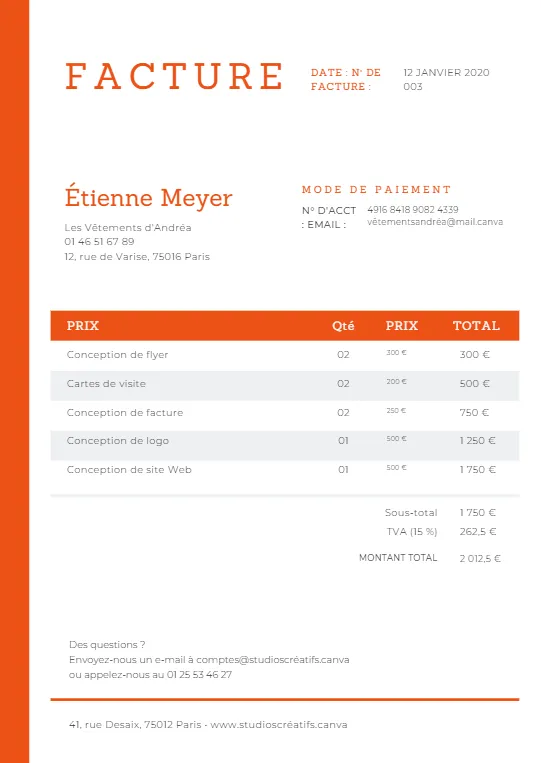
Taxes, Discounts, and Additional Charges
If applicable, include sales tax, discounts, delivery fees, travel charges, late fees, or other additional costs. Showing these amounts separately keeps the business invoice transparent.
Payment Terms and Due Date
Clearly state when payment is expected and which payment methods you accept. You can also include late-payment terms, deposits, partial payments, or other conditions relevant to your business.
Industry-Specific Information
Some businesses need additional information on their invoices. A contractor may include a project name or job number, a landscaper may identify the property serviced, a mechanic may list vehicle details, and a photographer may describe the type of service provided. Including relevant information makes your business invoices more useful and professional.
How to Create an Invoice for Your Industry
Knowing how to create a business invoice is easier when you follow a consistent process and adapt the invoice to the type of work you provide. Whether you run a small business, work as a freelancer, provide professional services, or manage projects and jobs, these steps can help you create clear and professional invoices for business.
Step 1 – Add Your Business Information
Start with your business name, logo, contact information, address, and any required tax or registration details. These details identify your business and give customers the information they need to contact you.
Step 2 – Add Your Customer's Information
Enter the customer's name, company name when applicable, billing address, email address, and other relevant contact details. Accurate customer information helps prevent confusion when sending or tracking an invoice.
Step 3 – Add an Invoice Number and Dates
Assign a unique invoice number to each business invoice. Add the invoice date and payment due date so you and your customer can easily track when the invoice was issued and when payment is expected.
Step 4 - Describe Your Products or Services
List everything you are charging for and provide a clear description of the work. Depending on your industry, you might include labor, materials, products, hourly services, project work, or recurring services.
Step 5 - Add Quantities, Rates, and Charges
Enter the quantity, hourly rate, unit price, or fixed project amount for each item. Separating these details makes your invoices for business easier for customers to understand and verify.
Step 6 - Calculate the Invoice Total
Add your subtotal, applicable taxes, discounts, deposits, fees, and final amount due. Accurate calculations are especially important when you create business invoices with multiple products, services, or charges.

Step 7: Add Payment Terms
State when payment is due and explain which payment methods you accept. Depending on your business, you can also include information about deposits, partial payments, late fees, or other payment conditions.
Step 8 – Review and Send the Invoice
Before sending the invoice, check the customer information, invoice number, dates, descriptions, calculations, and payment details. Once everything is correct, send the invoice to your customer or save it for your records.
Need an Invoice Template for Your Industry?
If you prefer a ready-made document instead of creating a business invoice from scratch, an invoice template for your industry can give you a professional starting point. You can customize the business and customer information, services, products, labor, rates, taxes, discounts, and payment terms to match the way your business operates.
Our industry-specific invoice templates are available in Word, Excel, PDF, Google Sheets, and Google Docs, so you can choose a format that fits your workflow. Whether you need a small business invoice for everyday services or a more detailed document for project-based work, these templates make it easier to prepare consistent business invoices.
Choose the Right Invoicing Option for Your Business
Every business has a different way of managing invoices. A freelancer may need a simple small business invoice, while a contractor may need to document labor, materials, and project costs. Choosing the right invoicing option can make it easier to create, customize, and send professional business invoices.
Invoice Templates
Invoice templates are a practical option if you want a ready-made document that you can customize for your business. You can add your company information, customer details, products or services, quantities, rates, taxes, discounts, and payment terms.
Templates are particularly useful when you want to keep a consistent business invoice format and prefer working with familiar file types such as Word, Excel, PDF, Google Sheets, or Google Docs.
Online Invoice Generator
An online invoice generator is useful when you want to create a business invoice quickly without manually formatting a document. Instead of editing a blank file, you can enter your business and customer information, add your services or products, calculate the total, and prepare the invoice online.
This can be especially convenient for small businesses, freelancers, contractors, and service providers who regularly need to create invoices for business.
Mobile Invoicing
Mobile invoicing allows you to create and manage invoices from a phone when you are away from your desk. This can be useful for businesses that work on-site, travel to customers, or need to prepare an invoice immediately after completing a job.
As mobile invoicing becomes more common, businesses can have more flexibility in how they create and manage invoices for businesses, whether they work from a computer or on the go.
Explore Mobile Invoicing →
Which Option Is Right for You?
If you want maximum customization, an invoice template may be the best choice. If you want to make a business invoice quickly with less manual formatting, an online invoice generator can be more convenient. Mobile invoicing is useful when you need to create invoices while working away from your computer.
The best option depends on how your business works, how often you send invoices, and how much control you want over the invoicing process.
Frequently Asked Questions About Industry Invoicing
What is an industry-specific invoice?
An industry-specific invoice is a business invoice adapted to the way a particular type of business charges customers. For example, a contractor may need fields for labor and materials, while a photographer may need to list sessions, editing, prints, or digital services. Using industry-specific invoices for business can make it easier to present relevant charges clearly.
Does every industry need a different invoice?
No. Most invoices for business contain the same essential information, including business and customer details, an invoice number, dates, products or services, amounts, payment terms, and the total. However, different industries may require additional details based on how they price and deliver their work. An invoice template can be customized to include these industry-specific requirements.
What should a business include on an invoice?
Professional invoices for business should generally include your business information, customer information, invoice number, invoice date, due date, description of products or services, quantities, rates, applicable taxes, discounts, additional charges, total amount due, and payment information. Including complete and accurate information helps customers understand what they are being charged and how to pay.
How do I create an invoice for my industry?
To create invoices for business, choose an appropriate invoice format, enter your business and customer details, describe the products or services provided, add quantities and rates, calculate the total, include payment information, and review the invoice before sending it. An online invoice generator can simplify the process and help you create professional business invoices more quickly.
Can I use an invoice template for my business?
Yes. An invoice template provides a ready-made structure that you can customize with your business information, services, prices, taxes, payment terms, and industry-specific details. Using templates for invoices for business can save time and help you maintain a consistent format whenever you bill customers.
Can I create an invoice online?
Yes. An online invoice generator lets you enter your business and customer information, add products or services, calculate totals, and prepare invoices for business without manually formatting a document. Online invoice tools can be a convenient option when you need to create and send business invoices quickly.
What is the best way to manage invoices for a small business?
The best approach depends on your workflow and how frequently you invoice customers. Keep invoice numbers organized, use consistent business information, clearly state payment terms and due dates, keep copies of invoices and payment records, and choose an invoicing method that makes it easy to create and manage invoices for business. For many small businesses, using reusable invoice templates or online invoice tools can make invoicing more efficient.